What Occurs If Costs Are Gone Down After Posting Bond?
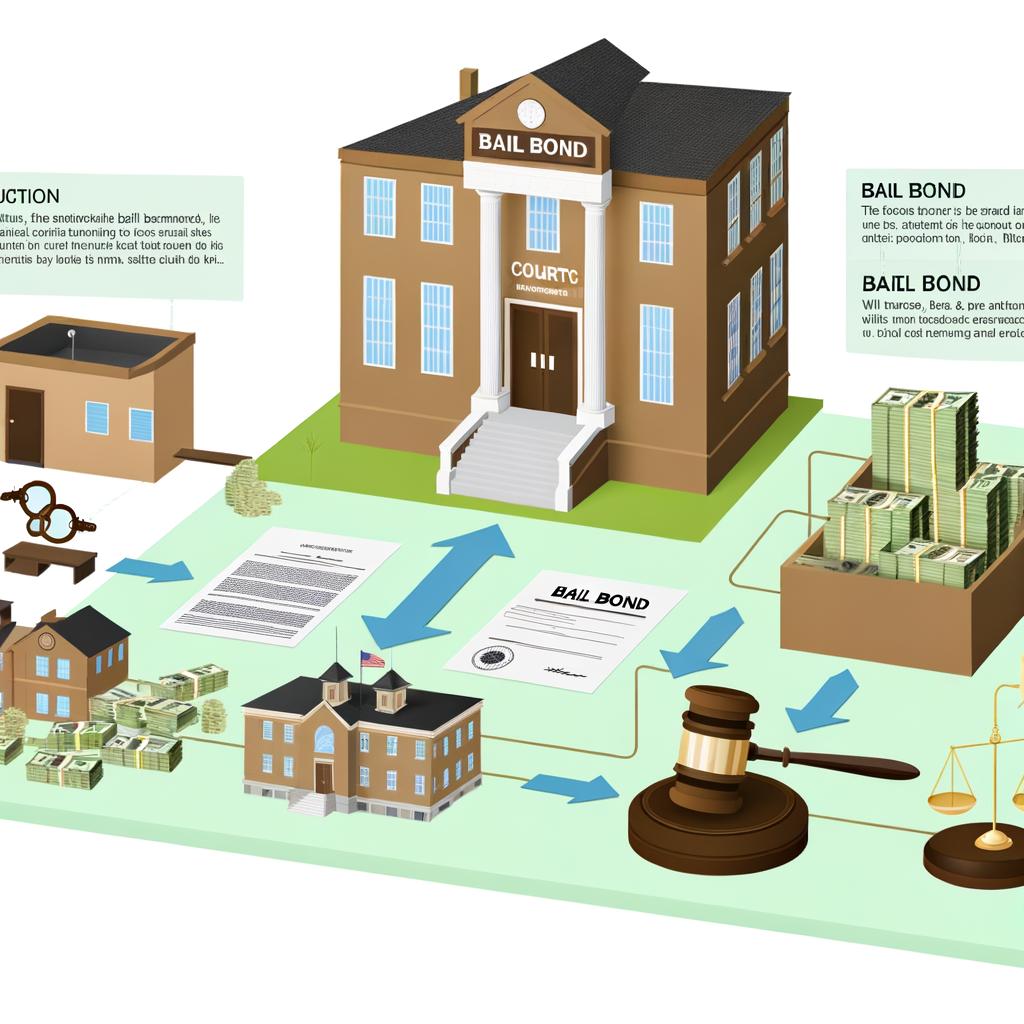
Bail feels like a goal when you or a liked one is being in a holding cell, however it is really a bridge. It links the moment of arrest to the day an instance is solved. Sometimes, that resolution comes surprisingly fast when a district attorney rejects the instance, a judge locates no potential cause, or a grand court returns a no costs. If you published cash money, used a guaranty bond with a bail bonds firm, or set up residential property, what happens next is not constantly instinctive. Money does not automatically bounce back right into your account the moment a termination order hits the docket. And even when it does, charges, court expenses, and timing can complicate expectations.
I have actually strolled clients through every version of this outcome, from tidy cash money reimbursements to unpleasant contest administrative costs. The details vary by state and even by area, yet the exact same core principles tend to control. Understanding those principles can keep you from waiting months for a reimbursement that need to have taken weeks, or from shedding cash you did not require to lose.
Dropped fees are not the like a pardon, but the bond result is similar
When fees are dropped, the situation quits without a decision of regret or innocence. That can occur due to the fact that a prosecutor declines to file, a court disregards for absence of potential cause, a witness recants, a lab report damages the concept, or a grand jury declines to indict. Procedurally, the court no more has a criminal instance tying you to the territory. That matters for bond, since bond's function is to secure your look and compliance while the case is pending. As soon as the instance is gone, the legal basis to hold your money or your bond evaporates.
In practice, courts still need to refine the dismissal and liquidate the bond. That indicates an order of launch of bond or comparable documents. If you do not see a particular entrance terminating the bond, think the refund clock has not started. A case dismissal does not instantly set off settlement by the staff. A person, often the defense lawyer or the bondsman, should prompt the bond exoneration.
Cash bond: refund expectations, deductions, and timelines
If you or a member of the family deposited cash money straight with the court, you are usually entitled to a refund when charges are gone down and the bond is vindicated. However "typically" does a great deal of job here.
Courts in numerous territories use bond down payments to unsettled court penalties, charges, or restitution, even if the underlying criminal instance is rejected. If you had an old website traffic fine or a civil judgment antique via the notary, the bail cash can be offset. I have seen a $5,000 bail down payment develop into a $4,420 refund after the clerk quietly deducted a collection additional charge and superior charges unrelated to the new case. It took 2 letters and a hearing to remedy the overreach, and we ultimately recuperated a lot of what was held back, but the lesson stuck: inspect the made a list of receipt or the dispensation ledger prior to you accept the final amount.
Processing time relies on the court's workload and the quality of the dismissal order. In a regular county, a clean dismissal with a same-day bond exoneration order generates a sign in 2 to 6 weeks. Big-city staffs can take longer, often 8 to 12 weeks, especially at fiscal year end. If you have not obtained anything within 45 days, call the staff's bond workdesk with the case number, the bond receipt, and the dismissal day. Many offices process refunds in regular or biweekly sets, and a polite nudge can relocate your documents into the following run.
One more crease: if someone else uploaded the money on your behalf, a lot of courts treat that person as the depositor of record. The refund mosts likely to the name on the receipt, not automatically to the defendant. I when had an university flatmate who scuffed together a cash money down payment for a friend, then vacated state before the situation was gone down. The clerk mailed the refund check to the initial address, it was returned, and the funds sat in unclaimed property for two years. Keeping call information present with the clerk stays clear of that kind of limbo.
Surety bonds via a Bail Bonds business: costs, exoneration, and collateral
Most individuals do not down payment countless bucks with the court. They call a bail bonds representative, pay a premium, and let the representative blog post a guaranty bond. When costs are gone down, the guaranty bond must be vindicated, which releases the bail bondsman from danger. Exoneration is the legal goal for the bond, not the premium.
The premium you paid to the bail bonds business is generally nonrefundable. That is business version: the agent charges a fee, generally 8 to 10 percent of the bond quantity in many states, in exchange for posting the complete bond and handling the risk that you might fall short to appear. When the situation finishes, whether by termination or conviction, that run the risk of ends, yet the cost does not come back. Consider it like an insurance premium. You purchased insurance coverage throughout the pendency of the case. You do not get the premium back since you did not "utilize" the coverage.
What you must come back is any kind of collateral you pledged, such as an action of trust fund on a home, the title to an automobile, or a cash down payment held by the bail bondsman. The return of security complies with exoneration. Many credible agents start documentation the same day they obtain the court's bond launch, however they require evidence. Ask your attorney to send the exoneration order to the bail bondsman the day it posts, and request created confirmation of collateral release. For real property, anticipate a tape-recorded reconveyance or lien release within 10 to 30 days. For automobile titles, same-day is feasible, however a week prevails. If 2 invoicing cycles pass with no action, rise in composing and duplicate the state's insurance or guaranty regulatory authority. That usually gets attention.
Clients often ask if they can say for a partial reimbursement of the premium since the situation was rejected early. In my experience, success is rare. A few agents will willingly discount if a bond was active just a few days, particularly for enduring lawyer relationships. Some state policies also permit pro-rated reimbursements in extremely slim scenarios, such as if the offender is surrendered back to custody within a taken care of home window without any court dates. Those are exemptions, not the regulation. If the bond covered at the very least one court look and no misbehavior occurred, think the premium is gone.
Property bonds: launch takes more actions, so start early
Property bonds lock up a beneficial possession to assure appearance. They also produce much more management jobs when fees are dropped. After the court exonerates the bond, the clerk requires to release a launch order, the recorder's workplace needs to approve and index a reconveyance, and occasionally a title firm requires to remove the cloud from the chain of title. I have seen these loopholes take 30 to 90 days in hectic regions. If you plan to market or re-finance the property, obtain the exoneration order to your title firm the exact same week the case shuts. They can frequently shepherd the release through the recorder faster than a walk-up filing.
Double-check that all regions where the lien was tape-recorded obtain the launch. Multicounty home bonds show up more frequently in country areas where property straddles lines. I as soon as serviced a bond secured by two parcels, one in County A and a bit in Region B. County A launched promptly, Region B did not, and the household found the oversight when they tried to refinance three months later. A qualified copy of the exoneration order solved it, but it included two weeks to the closing.
Administrative costs and "court costs" after dismissal
Here is a factor that discourages accuseds and families: a dismissal does not always indicate no costs. Some jurisdictions evaluate management charges associated with reservation, electronic surveillance, bench warrant recalls, or pretrial services that were supplied prior to the situation finished. These are not fines for a criminal conviction, yet they can be lawfully charged and accumulated from bail down payments. Whether that is fair is a separate debate. The sensible rule is to ask the staff for a last cost breakdown prior to the refund is issued. If something looks off, increase it while the data is still active. After the cash is paid out, turning around costs can take months and an official motion.
Pretrial programs sometimes generate billings that never ever pass through the court clerk. If you got on GPS monitoring, drug testing, or check-in reporting, validate with the program office that your account is closed with a $0 balance. Or else, you can get a shock bill after your bond refund arrives.
Warrants, holds, and exactly how they derail refunds
Even when a prosecutor drops the present instance, various other legal holds can interrupt the bond exoneration. One of the most typical are probation holds from an additional instance, migration detainers, or new warrants in a different county. Each develops a separate legal basis for safekeeping. If the court believes you will certainly not be launched anyhow, it might delay exoneration up until the other hold is addressed.
From a bond perspective, this produces two troubles. Initially, your cash down payment may sit in limbo due to the fact that the bond continues to be technically "energetic." Second, a bail bondsman holding security could decline to launch it until the court enters a clear exoneration. The solution is procedural: obtain a tidy order mentioning the bond is exonerated regarding the disregarded instance, despite other holds. Many courts oblige when asked. Without that sentence, you can wait weeks for a reimbursement that must have been set off the day the dismissal was entered.
Expungement and document sealing are separate from bail
Many people assume that a dismissal means the arrest vanishes from public view. It does not vanish by itself. Bail concerns are monetary and procedural. Tape-record clearing is a various process with its own types, eligibility criteria, and timelines. If preserving employment potential customers or professional licensure issues to you, speak with guidance concerning expungement or sealing the document as soon as the case is dropped. In states with automated alleviation for non-convictions, the process still takes months to show up on background checks, and exclusive data sources lag. If your bail reimbursement is going to an address that shows up on public documents, consider utilizing a secure mailing alternative so sensitive records are not misdelivered.
How to speed things up
Courts and Bail Bonds companies service documentation. The faster the documentation steps, the quicker the cash returns or the security is launched. These steps regularly cut weeks off the timeline:
- Before the dismissal hearing, ask your attorney to prepare a suggested order exonerating the bond and deliver it to the court room staff for immediate trademark when the instance is dismissed.
- Hand-deliver or online send the authorized exoneration order to the bond desk the exact same day. Keep a stamped copy.
- If a bail bondsman was involved, send the order to the agency and demand composed confirmation of collateral release with an expected date.
- Confirm with the clerk whether any type of offsets or fees will be applied to a cash bond refund, and correct mistakes prior to disbursement.
- If a residential property bond was utilized, coordinate with the recorder or title company for videotaping the launch and ask for evidence once done.
Edge cases: partial dismissals, refiling, and re-arrests
Criminal instances are not always tidy. So some fees are rejected while others remain, the bond stays effectively unless the court customizes it. As an example, a five-count grievance may diminish to a single offense. A judge may decrease the bond amount, convert it to release on recognizance, or maintain it unchanged, relying on threat aspects. Do not presume a partial dismissal releases your bail. Ask for a new order exonerating the initial bond and, if required, setting a smaller bond. If cash was published, the court can refund the difference.
Prosecutors can dismiss without bias and refile the situation later on. This happens when laboratory outcomes are pending or witnesses are cooperative but unavailable. In refiling circumstances, a formerly exonerated bond does not automatically bounce back to life. You might require to post bond again, negotiate launch terms, or give up on a new warrant. If you made use of a bail bonds firm and the case is refiled without delay, some agents will treat it as an extension and not bill a brand-new full premium, however that is a business decision, not a legal required. Get any such guarantees in writing.
Re-arrests develop even more complication. Intend your case is disregarded on Monday and you are arrested on a new, unconnected fee on Friday. The old bond must still be vindicated regarding the old case. The new apprehension requires a brand-new bond. Do not allow a clerk or a bail bondsman to merge both. Maintain situation numbers different in every interaction to prevent misapplied funds or delays.
What if the court declines to reimburse cash bail?
Occasionally, a clerk declines a refund since the docket does not have a clear exoneration entrance. In some cases the problem is a missing signature, other times an information entrance lag. Start by obtaining a qualified duplicate of the termination and any type of min order that recommendations bail. If the minutes mention "bond vindicated," you have what you need. If not, file a short activity for exoneration. Many courts provide a form for this, and courts authorize them in chambers without a hearing. If the staff cites impressive fees as the reason for holding back the whole amount, request the statute or policy that accredits an one hundred percent hold. In most territories, offsets are applied just to the amount needed to satisfy the financial obligation, not the entire deposit.
If you hit a wall surface, bring your defense attorney right into the discussion. A two-minute appearance at a standing schedule can generate an order that resolves the deadlock. When large sums go to risk, advise can likewise position the court on notification that rate of interest might accumulate or that a writ will be looked for. That should be a last option, yet it typically shocks a file out of the stack.
How Bail Bonds companies deal with terminations and abandonments after dismissal
Sometimes an agency surrenders an offender prior to the instance is gone down, usually after a missed out on check-in or a suspected traveling offense. If the situation is later dismissed, the costs still stays with the firm, but you need to not owe any kind of additional charges tied to the given up duration as soon as exoneration happens. If a surrender cost or investigator expenditure was charged, request for documents. Lots of states cap or require itemized proof of such fees. On the other side, if the firm never really published the bond due to the fact that dismissal took place first, you ought to not be billed a full costs. A practical handling cost may be allowed, but a complete premium without a posted bond is a warning. Regulators take a rate of interest in such complaints.
Tax and bookkeeping notes that conserve headaches
Bail reimbursements are not earnings in the regular sense. You are obtaining back your very own cash. For people that run small businesses and uploaded bail from service accounts, maintain the refund in the exact same account to streamline accounting. If you collateralized a business automobile or equipment for a bond, update your insurance coverage representative once the lien is launched. I have seen crash cases postponed due to the fact that an old UCC filing still showed a guaranty's passion months after a situation ended. A quick e-mail to your insurance company and lending institution prevents that sort of documents snarl.
If a third party paid your bail and you repay them after the reimbursement arrives, record the payment with an easy invoice. Relationships sour most often over unclear money. A one-page acknowledgment maintains memories honest.
Practical expectations by sort of bail
Every situation has its very own peculiarities, however you can anchor your expectations with a few mean timelines.
For cash bail, intend on 2 to 8 weeks from dismissal to reimburse check, assuming a tidy exoneration order and no offsets. If a change remains in play or the reimbursement exceeds a particular threshold that requires a second trademark, add a couple of weeks.
For a guaranty bond through a Bail Bonds agency, security launches normally happen within 7 to 21 days after exoneration. Real estate can take longer as a result of tape-recording queues. The costs remains with the agent.
For building bonds taped with the court, anticipate 30 to 60 days to see the lien totally cleared from the public record, quicker if you or your title company drive the process.
For situations with other holds, the reimbursement or launch timeline starts just after a clear exoneration order is gone into. Get that language in composing, also if wardship continues for unconnected reasons.
Common mistaken beliefs that cost people money
Two beliefs create one of the most aggravation. First, the assumption that "dismissed" equals "immediate reimbursement." There is always a proof to complete. The earlier you chase it, the much faster you make money. Second, the idea that a bail premium is a deposit rather than a fee. When you hire a bail bondsman, you are paying for access to credit score and for the business to shoulder your flight threat. The cost is not a short-lived hold. Plan your cash flow with that said truth in mind.
I will include a 3rd, subtler misunderstanding: thinking that nobody needs to mind the information once the district attorney claims the case is dismissed. The court is a human system. Staffs alter, inboxes overflow, and orders obtain misfiled. A solitary telephone call or a one-page motion usually makes the distinction in between a 10-day and a 60-day refund.
A narrative from the trenches
A dad called me on a Thursday mid-day, delighted and annoyed at once. His child's felony instance had been dismissed that early morning, yet the family had used a $12,000 cash down payment scraped with each other from savings, and the clerk informed him reimbursements took "up to 90 days." The clock mattered. Tuition scheduled in three weeks.
We relocated swiftly. I drafted a one-page suggested order exonerating the bond and brought it back to the very same judge that signed the termination. The court authorized it on the spot and informed the staff to process it as a concern. We hand-delivered the order to the bond desk and requested confirmation that the refund demand would certainly remain in the next set. Monday early morning, I phoned call to verify it was queued. The check got here on day 19, which was still longer than I liked, but early enough for tuition. Without the order and the follow-up calls, that check would certainly have landed better to day 50.
Not every clerk's workplace fits such demands, and not every court relocates exact same day. But in virtually every courthouse, there is a quicker lane readily available for data with tidy paperwork and a person paying attention.
When to bring in an attorney again
If the amount at risk is substantial, if a bondsman is slow to launch collateral, or if a staff points out a guideline you have actually never ever heard of to warrant withholding, obtain a defense lawyer back on the field. A lawyer that understands the courthouse can normally detect the traffic jam in a single see and fix it with a brief declaring. The fee for that limited representation is typically far much less than the money you could lose to unnecessary delays or improper offsets.
If you can not afford advice, check out the clerk in person, bring your termination and any kind of bond receipts, and ask which form or movement is called for to pardon and reimburse. Several courts have self-help windows or downloadable forms. Be patient, maintain notes of every conversation, and ask for stamped duplicates of everything you file.
The base line
When charges are dropped after uploading bond, the legislation is on your side. The court ought to vindicate the bond. Cash money bail must be reimbursed, minus lawful offsets. Collateral promised to a Bail Bonds firm must be launched. The costs paid to the bail bondsman is virtually never ever refundable. The difference in between a smooth experience and an irritating one normally comes down to documents and follow-through. Obtain a clear exoneration order, provide it to the best workdesks, keep copies, and do not be shy about polite check-ins. That is how you turn a legal victory into financial closure.
ABBA Bail Bonds 900 Avila St STE 101 Los Angeles, CA 90012 (213) 296-0901 https://abbabailbonds.com